Weatherproof Agricultural Standing Desk Setup for Farm Offices
By Mei Lin • 2nd Jun
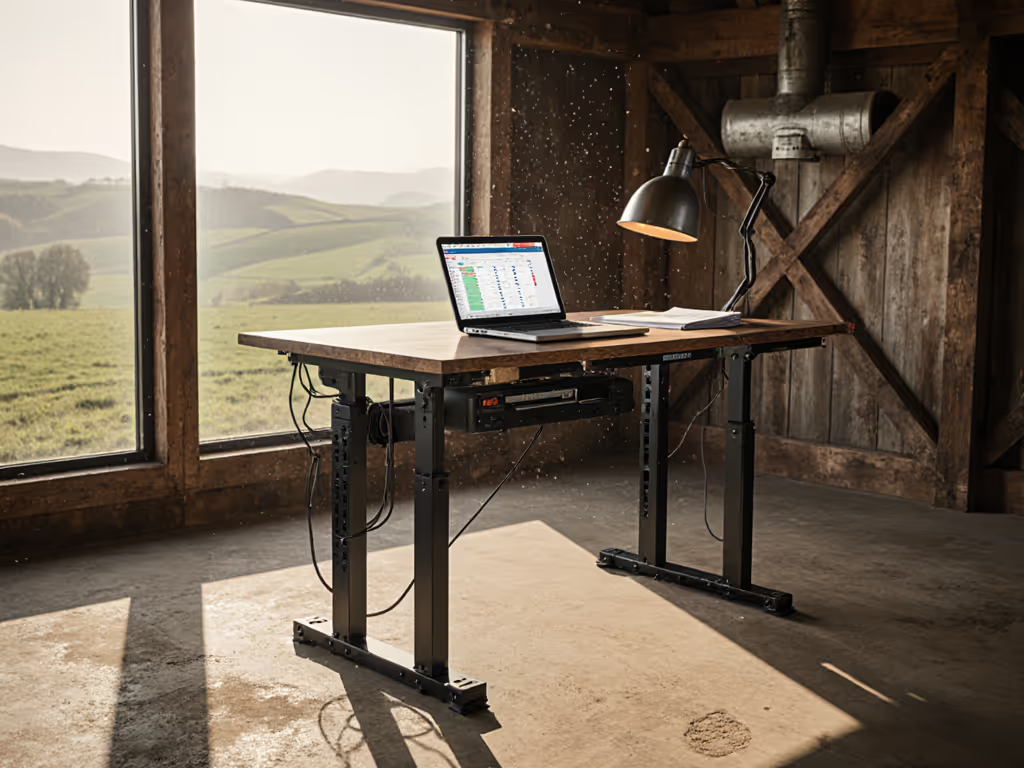
An agricultural standing desk has to survive dust, moisture, temperature swings, and long days of paperwork and digital work, all while keeping your farm office workstation quiet, stable, and safe. This step-by-step guide walks you through a practical setup that you can assemble in a barn, shed, or greenhouse office without sacrificing stability or on-camera professionalism.
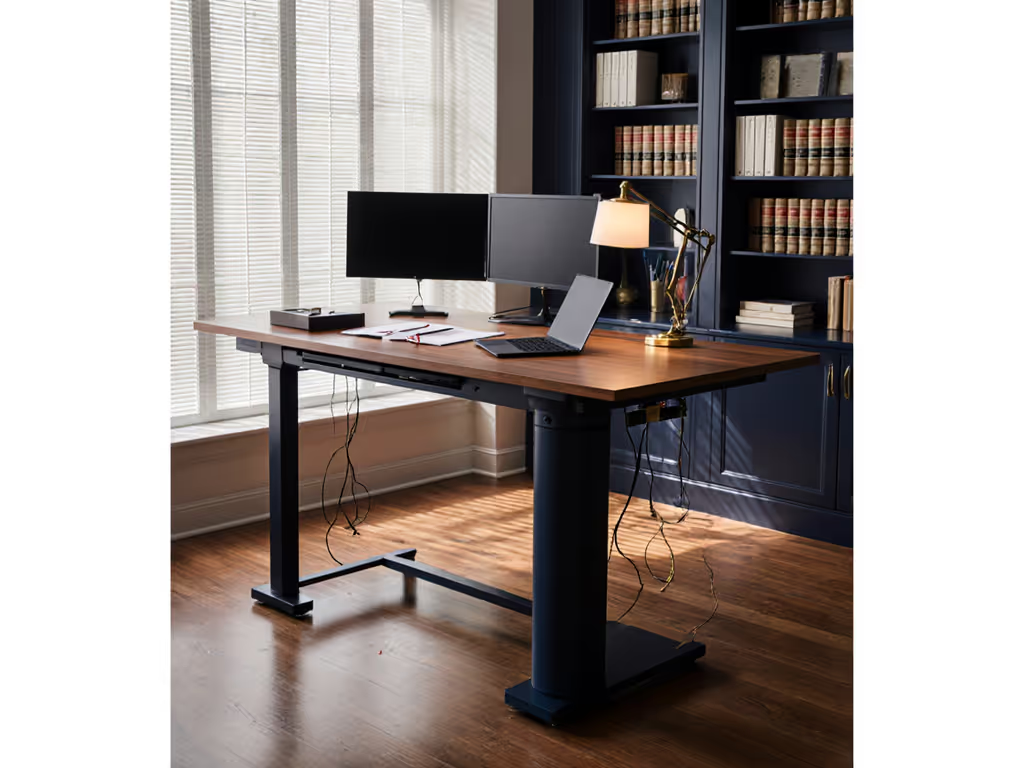
Clear the cables; clear the mind, and your video frame.
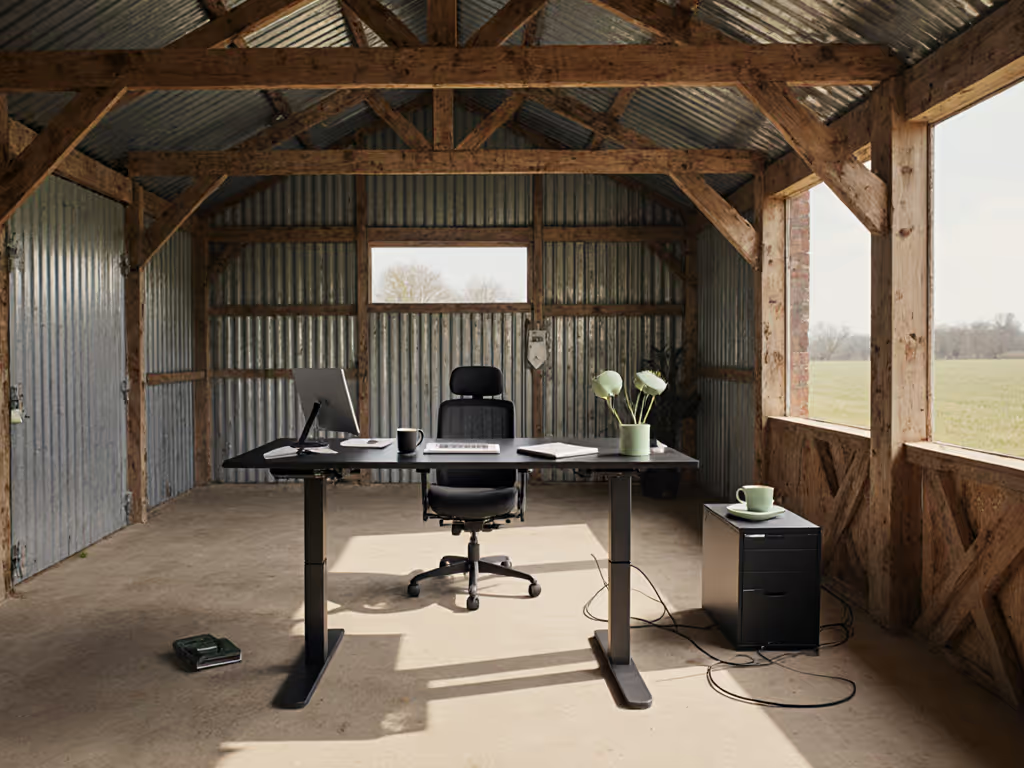
Step 1: Map the Zone and Hazards (15 minutes)
Before touching a tool, define exactly where your weatherproof barn desk will live.
Measure and note:
- Floor area: length, width, and the nearest door or gate (in cm)
- Wall materials: bare concrete, timber, metal siding, insulated panel
- Distance to power and data: outlet height and spacing from the planned desk edge
- Exposure risks: direct sun, wind through gaps, hose spray, animal traffic, tractor paths
Target dimensions for the desk zone
- Depth from wall to walkway: at least 110 cm to allow a chair and pass-through
- Desk depth: 70–80 cm for dual monitors or a large ultrawide
- Desk width: 120–160 cm for typical farm management desk setup
Hazard checklist
- No vehicle path within 60 cm of the future desk front
- No overhead water lines directly above the desk
- No unprotected feed or chemical storage within arm’s reach
If you already have a small outbuilding office where cables droop from random outlets and echo makes calls tiring, this mapping step alone often reveals how to reposition the workstation to cut noise and chaos. If space is tight, see our stable small standing desks for compact offices for layouts that maximize function without wobble.
Step 2: Choose a Weather-Resistant Frame and Top (30-45 minutes of research)
A farm office workstation lives harder than a city office desk. Focus on a frame and top that tolerate dust, humidity, and knocks. For open-air patios or partially exposed sheds, compare options in our weatherproof standing desk roundup to pick materials that resist UV and rain.
Frame criteria for agricultural use
- Material: powder-coated steel or galvanized steel legs and cross members
- Load rating: at least 100 kg real load (frame plus top plus equipment)
- Height range: roughly 60-125 cm to cover petite and tall users, plus potential treadmill
- Noise level: aim for under 45 dBA at 1 m during movement
- Ingress protection style features: sealed motor housings, grommeted cable exits, no exposed electronics under open rafters
If an electric frame is too exposed to weather, consider:
- A manual crank frame with enclosed gears
- A fixed-height frame at your most-used position, plus an anti-fatigue mat to vary your stance
Desktop materials for a weatherproof barn desk
- Best near moisture: high-pressure laminate on a plywood or MDF core, with fully sealed edges
- Better for high heat swings: solid wood top at least 25-30 mm thick, sealed on all sides
- Avoid unsealed particleboard under leaky roofs or in greenhouses
Edge sealing checklist
- All cut edges coated with polyurethane or comparable sealant
- Grommet holes sealed around their inner ring
- No raw wood or board visible under the desk front edge
Tidy equals usable, and that includes sealing every edge so your top does not swell or chip in the first wet season.
Step 3: Plan Power and Data for Rural Reliability (30 minutes)
A greenhouse office solution or barn office sees more brownouts and dust than a city tower. Protect your electronics and simplify future repairs.
Power layout
- Use a single surge protector or UPS mounted under the desk near the back edge
- Keep the main power feed running up the rear leg only, never the front
- If possible, feed from a GFCI-protected circuit in damp locations
Safety clearances
- Keep power strips at least 30 cm above floor level to avoid puddles
- Maintain at least 20 cm from any regular hose spray path
Data and networking
- Run a single shielded Ethernet cable to the desk instead of relying only on Wi-Fi in metal-sided barns
- Use a drip loop where cables come down from rafters: let them dip below the outlet height before rising to the plug so condensation runs away from connectors
Quick reliability check
- Simulate a power loss and verify: devices stay safe, and your desk does not slam down
- Label the main power strip with location and circuit name for quick troubleshooting
Step 4: Control Noise, Vibration, and Dust (20-30 minutes)
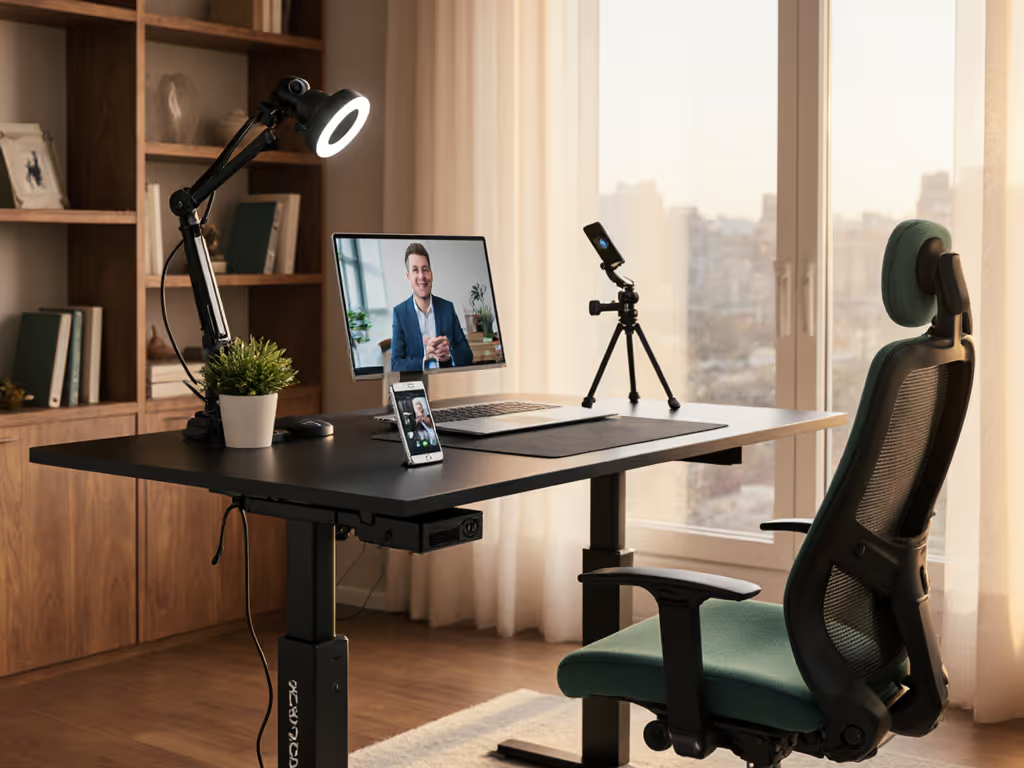
Agricultural buildings amplify hum and clatter. A quiet agricultural standing desk protects deep focus and keeps video calls professional.
Damping the frame
- Add thin felt or rubber pads between frame and desktop at each bolt location
- Place dense rubber feet or mats under each leg
- If the floor is uneven, shim legs so the frame is level within 2 mm across its width
These simple steps can drop vibration and motor noise by 3-5 dBA at 1 m, often the difference between a noticeable buzz and a background murmur.
Reducing echo on calls
- Mount a strip of dense insulation or a fabric panel on the wall behind the monitors
- Place a wool rug or heavy rubber mat beneath the standing area, at least 90 x 150 cm
Dust protection routine
- Once a week: wipe leg columns and the controller with a barely damp microfiber cloth
- Monthly: vacuum cable trays and the floor around the rear legs
This approach is similar to what tames hum and wobble in tiny studio offices: gentle damping at every contact point and a consistent cleaning schedule.
Step 5: Cable Management for Harsh Environments (30-45 minutes)
Agricultural spaces add two risks to cable chaos: moisture and movement. Clear routing reduces trip hazards and protects gear.
Routing principles
- All cables rise or fall along one leg only, preferably rear corner
- Nothing crosses open walking paths below 200 cm height
- No cable rests on bare concrete where vehicles roll or animals pass
Hardware list
- Under-desk cable tray, at least 60 cm long
- Reusable hook-and-loop ties, 10-15 mm wide
- Adhesive cable clips rated for rough surfaces, or small screw-in clamps for wooden framing
- A flexible cable sleeve or conduit rated for outdoor or agricultural use
Bend radius and strain relief
- Maintain at least 4x the cable diameter as minimum bend radius; no sharp 90-degree kinks
- Create 15-20 cm of gentle slack between desk and wall before cables enter conduit
- Use one strain-relief loop where cables leave the desk, tied to the tray or leg
Clear the cables; clear the mind, and your video frame.
Child and livestock safety
- Anchor vertical cable runs every 30-40 cm so nothing can be yanked loose
- Keep all power connectors behind the rear desk line, not hanging below the desktop
After this step, you should be able to sweep a broom under the desk without catching a single wire.
Step 6: Dial In Rural Work Ergonomics Without Overcomplicating (20 minutes)
You do not need a clinic-grade assessment to get a workable fit; just consistent reference points.
Basic desk height setup
- Stand in your work boots on the mat you will use.
- Bend elbows to roughly 90 degrees and measure from floor to elbow.
- Set desk height to that measurement minus about 2-3 cm to allow relaxed shoulders.
For sitting, repeat with your usual chair and boots and use the same minus 2-3 cm guideline.
Monitor positioning
- Top of the main screen at or slightly below eye level
- Viewing distance roughly 50–70 cm from eyes to screen
- Dual monitors angled so you swivel your eyes more than your neck
Stability test at working height
- At your main standing height, type at normal speed and watch for shake of more than 2-3 mm at monitor corners
- Gently push the desk front to back; any obvious rocking means you should adjust feet or add extra bracing to the rear wall
Remember, the goal is not perfection on day one but a repeatable setup you can return to even after someone borrows your chair or moves your mat. If you still notice wobble or drift, try our phone-based standing desk diagnostics to pinpoint and fix issues fast.
Step 7: Keep It Serviceable for 7-10 Years (15-20 minutes)
Farm equipment is expected to last; your farm office workstation should be treated the same way. Seasonal heat and humidity can change stability, so use our seasonal standing desk guide to adjust settings and materials for summer and winter.
Build for repair, not mystery
- Use standard fasteners (Allen bolts, wood screws) rather than glue wherever possible
- Label cables under the desk: power, Ethernet, monitor, peripherals
- Keep a small labeled envelope with spare screws and the assembly tool in a desk drawer
Seasonal checklist
At the start of each busy season (planting, harvest, winter housing):
- Verify all leg bolts are tight
- Check for any exposed raw wood on the desktop and reseal
- Raise and lower the desk through full travel while listening for new noises
Environmental protections
- In very dusty barns, consider a breathable cover cloth for the desk when not in use
- In greenhouses, position the desk at least 150 cm from misting sprayers and never in the direct path of overhead drip lines
A small maintenance routine keeps you from discovering a rusted bolt or failed controller in the middle of a long paperwork evening. Use our printable standing desk maintenance schedule to plan daily, monthly, and annual checks.
Actionable Next Step: Your 30-Minute Farm Office Audit
Set a single 30-minute timer and walk through this checklist in your current space:
- Mark a clear desk zone with at least 110 cm depth and 120 cm width.
- Confirm you can route a single power and data path up one rear leg only.
- Note any direct water or dust sources within 150 cm and plan shielding or relocation.
- Choose a frame and top that meet the height range and sealing guidelines above.
- Plan a cable tray, leg conduit, and strain-relief loops for every device.
- Sketch your standing and sitting heights and monitor positions on paper.
When you are done, you have a simple, farm-ready blueprint. From there, you can source parts confidently, assemble in an afternoon, and end up with a weather-tolerant agricultural standing desk that is stable, quiet, and as intentional as any office downtown.
Tidy equals usable, especially when the field, the barn, and the office all meet at the same workstation.
Related Articles