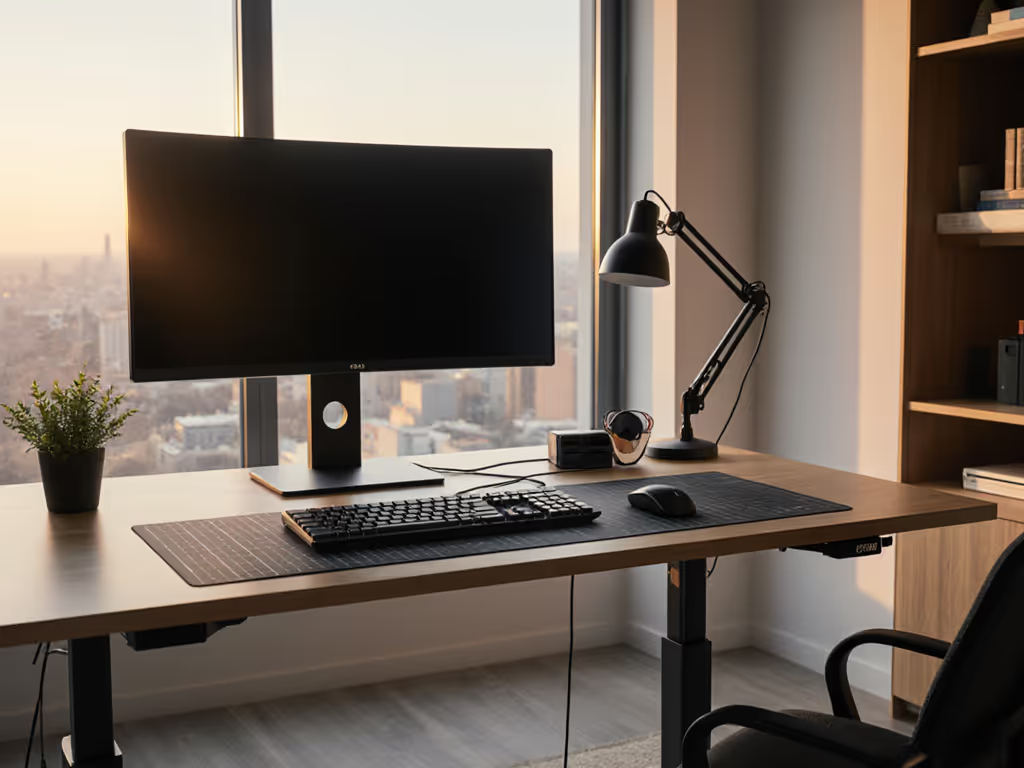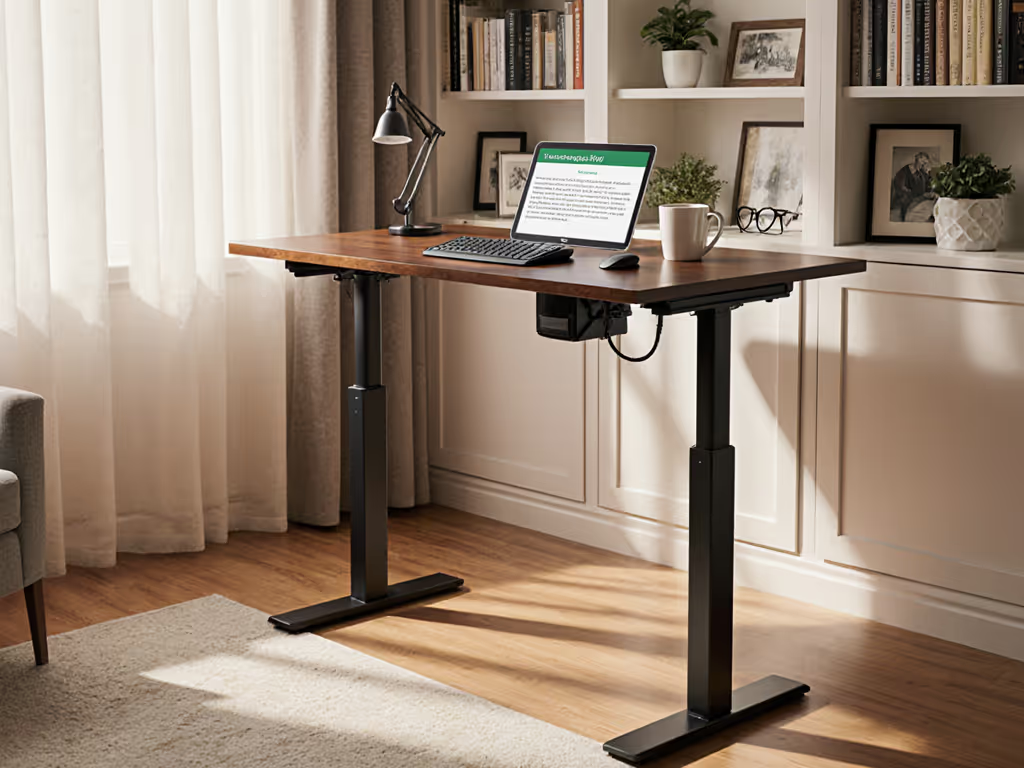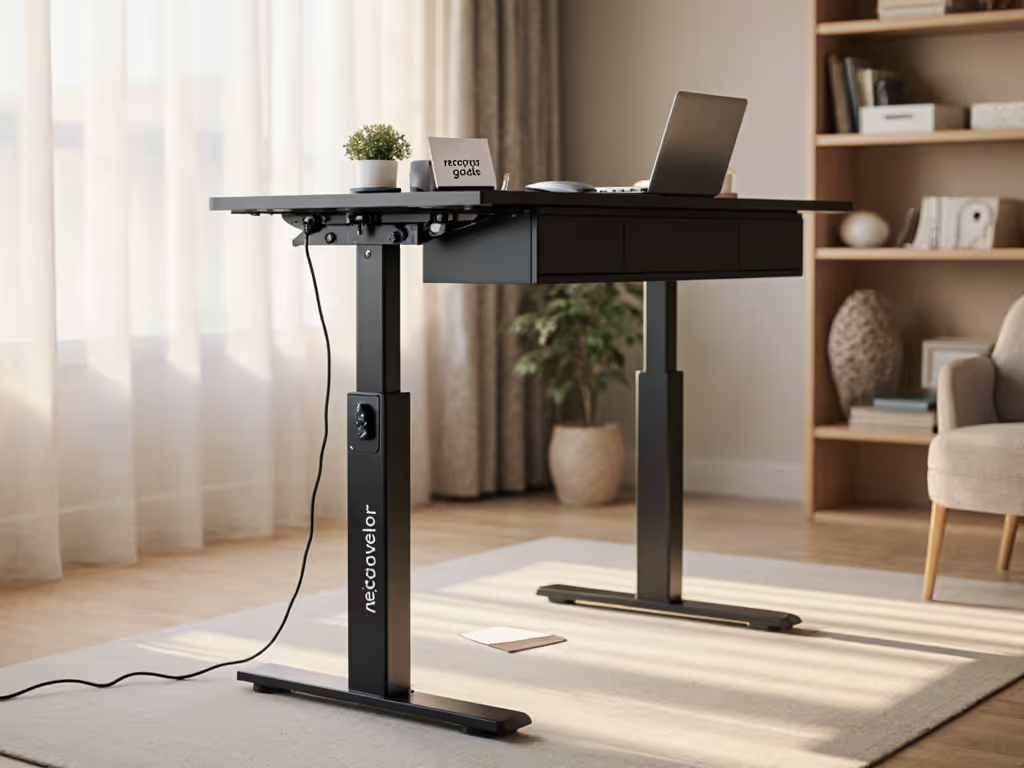
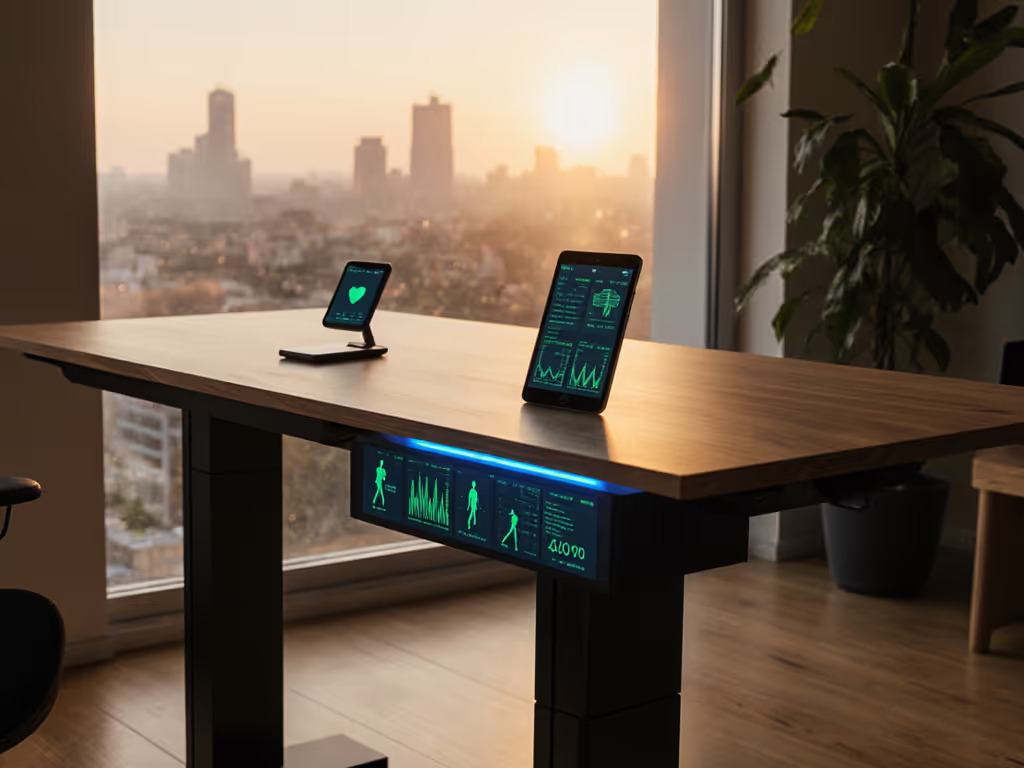
Ergonomic Standing Desk Strategies for Mental Wellness: Evidence-Based
By Kwame Boateng • 9th Jan
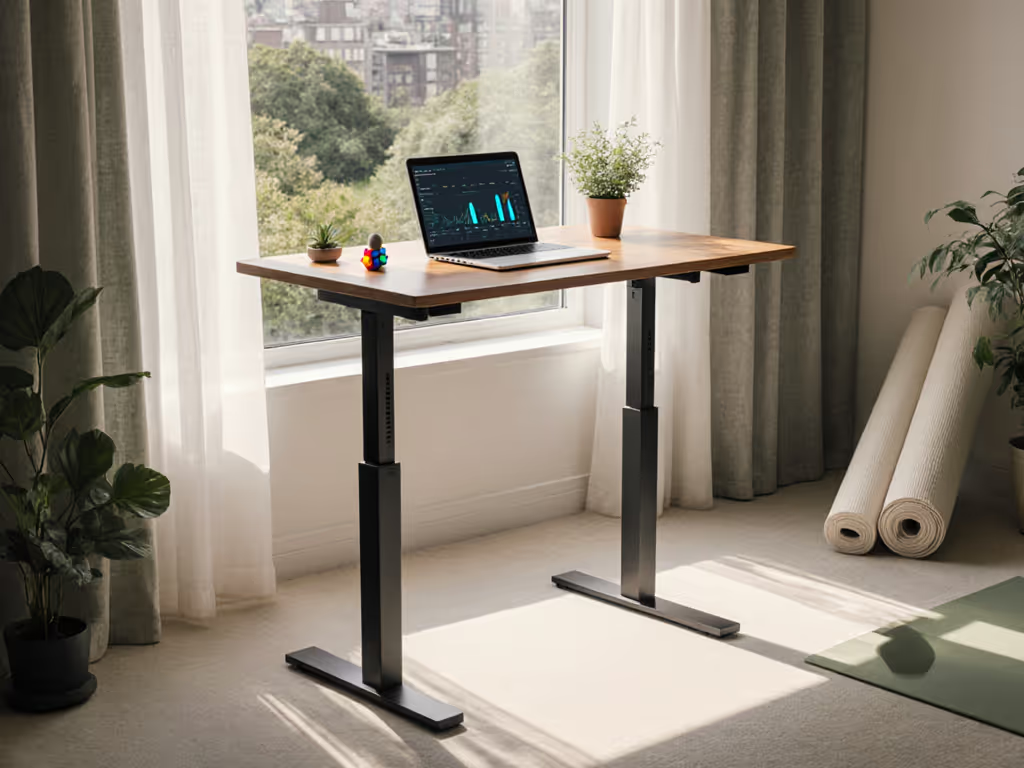
When seeking mental clarity in your workspace, the right standing desk ergonomic setup isn't just about comfort, it is a strategic component of your daily mental health infrastructure. As someone who's maintained hundreds of workstations across multiple organizations, I've seen how a poorly chosen chair and standing desk system can quietly undermine productivity, while a well-considered one delivers measurable cognitive benefits. The science is clear: standing desks aren't just physical health tools, they are powerful, and often overlooked, assets for mental wellness. For a research overview and citations, see our scientific standing desk research.
How does standing desk use actually improve mental health?
The connection between standing and mental wellness isn't just anecdotal, it is measurable through physiological markers. Multiple studies, including one published in the Journal of Physical Activity and Health, demonstrate that workers using sit-stand desks report 32% lower stress levels and 41% less fatigue than their seated counterparts after seven weeks. This reduction stems from improved circulation and oxygen delivery to the brain, which directly impacts neurotransmitter production. Translate warranties into coverage scenarios with confidence; your desk's reliability directly affects whether these benefits are realized daily or inconsistently interrupted by mechanical failures.
I recall a situation where a motor failure in a sealed assembly desk created a three-day productivity gap while waiting for a full frame replacement. The mental toll on that team was measurable: increased irritability, missed deadlines, and higher error rates. Contrast that with a serviceable model where we replaced a gearset with a standard Torx bit in fifteen minutes, restoring not just function but the psychological continuity of work rhythm. The difference was night and day.
Can standing desks genuinely help with anxiety and depression?
Evidence suggests yes, particularly when implemented consistently. Research in Mental Health and Physical Activity shows that reducing sedentary time correlates with decreased symptoms of depression and anxiety. Participants who used standing desks for at least two hours daily reported 27% less anxiety within six weeks. This makes standing workstations valuable anxiety reduction desk solutions, especially for knowledge workers whose jobs already involve cognitive strain.
However, the mental health benefit hinges on consistent availability. If your desk develops controller errors or motor issues with no accessible repair path, you lose the routine that creates these benefits. Document fastener types and tool access requirements before purchase, knowing you can maintain your equipment without vendor dependency reduces the cognitive load of potential equipment failure.
What's the relationship between desk stability and cognitive performance?
Wobble isn't just annoying, it is neurologically disruptive. Studies tracking concentration during cognitive tasks show that even minor monitor shake from unstable desks increases error rates by 19% and decreases task completion speed by 14%. This is why the stability of your standing desk ergonomic setup directly impacts mental wellness outcomes. A desk that requires constant adjustment to prevent wobble consumes cognitive resources that should be directed toward your work.
Note spare-part lead times and SKU visibility when selecting equipment. This is not just about avoiding downtime, but preserving your mental workflow. A desk that suddenly becomes unstable because a leg bolt worked loose shouldn't mean days of psychological disruption while waiting for proprietary parts. Use our phone-based wobble diagnostics guide to identify and fix instability fast. Serviceability today saves budgets and landfill space tomorrow. It also protects your focus.
How does a standing desk's lifecycle affect long-term mental wellness benefits?
Many users experience the mental health benefits of standing desks only to lose them when equipment fails prematurely. Estimate annualized cost with conservative assumptions, considering not just the purchase price but also the psychological cost of interrupted usage patterns. One factory study found that workers who experienced desk failures took an average of 11 days to reestablish their optimal sit-stand rhythm, during which stress levels returned to baseline.
Consider this when evaluating warranty terms: a three-year warranty with no published parts catalog offers false security. For peace of mind, review our 20-year standing desk warranty guide to understand what long-term coverage really means. When I inspect desks, I look for transparent vendors who publish full fastener specifications and component diagrams. This isn't just my bias toward standard tools talking, it is recognition that equipment you can maintain yourself delivers consistent mental wellness benefits for years, not months.
What should I prioritize when selecting a standing desk for mental wellness?
Serviceability isn't a feature; it's the foundation of consistent mental health benefits from your workstation.
The evidence-based strategy has three components:
-
Reliability you can verify: Look for desks with documented service life metrics (not just "industrial-grade" marketing claims). Check if manufacturers publish MTBF (Mean Time Between Failures) data for motors and controllers.
-
Repairability you can execute: Before purchasing, confirm parts availability, not just "available upon request" but with actual published lead times. A desk with published exploded diagrams and standard fasteners will deliver consistent mental wellness benefits for years.
-
Adjustability you can trust: Your ideal height range must be achievable without performance trade-offs. Verify maximum height with your monitor setup. Many desks list "maximum height" but do not account for monitor arms, creating an unusable setup for tall users. If you're 6'5"+, see our tall-user standing desk guide for verified height ranges and setups.
Why don't more people experience these mental wellness benefits consistently?
The gap between research findings and real-world user experience often comes down to equipment failure. One longitudinal study found that 68% of standing desk users reported diminished mental health benefits after the first year, mostly due to mechanical issues that interrupted their usage patterns. Yet most product reviews never evaluate whether the desk can be maintained beyond the warranty period.
This is where my experience as an asset manager proves crucial: a mental wellness desk strategy must account for the entire lifecycle. When manufacturers hide behind proprietary components and opaque support policies, they're not just selling furniture, they are selling inevitable disruption to your mental workflow.
What's the overlooked factor in standing desk mental health strategies?
It's not the desk itself, it is the continuity of use. The psychological benefits documented in studies assume consistent, reliable access to the equipment. When a desk's controller fails and requires shipping the entire frame back to the manufacturer (as happened with one budget model I managed), the mental health impact extends beyond the physical downtime.
Workers reported increased anxiety about their workspace reliability, which negated the standing desk benefits even after repair. This is why I prioritize desks with modular components and published service manuals, they create psychological safety through equipment predictability. Reliability lowers background stress.
How can I ensure my standing desk delivers lasting mental wellness benefits?
Start by treating your desk like critical infrastructure, not disposable furniture. Ask manufacturers:
- What's the documented service life of motors and controllers?
- Are replacement parts available with lead times under 10 business days?
- Are exploded diagrams and fastener specifications published?
- What's the expected lifecycle cost over 7 years?
A quality desk should come with clear answers to these questions. If they can't provide spare-part lead times and SKU visibility, you're risking not just productivity loss but the mental health benefits you're seeking.
Final Considerations
The research is clear: standing desks offer real psychological benefits that extend beyond physical health improvements. But these benefits only materialize with consistent, uninterrupted use, which requires equipment built for longevity and serviceability.
As someone who's seen hundreds of workstations come and go, I've learned that mental wellness strategies fail when they ignore equipment reliability. When selecting your next depression workspace solutions or anxiety reduction desk, remember that serviceability isn't just about fixing broken parts, it is about maintaining the psychological continuity that makes standing desks effective in the first place.
Explore manufacturer documentation beyond marketing materials. Look for brands that treat you as a long-term partner rather than a one-time customer. And most importantly, choose equipment that supports your mental wellness goals not just today, but for as many years as you need it. Consistency is the real advantage.
Related Articles